Best customer service ticketing system—yep, we’re going straight into it, as requested. Whether you’re running a small shop, a growing online business, or an enterprise with enough customers to fill a small stadium, one thing is universal: people will always need help. They’ll forget passwords, break things, click mysterious buttons, or ask questions that make you wonder if they even read the first line of your FAQ page. And that’s exactly where a solid ticketing system swoops in like a superhero with a keyboard.
But here’s the twist: not all help desk tools are built the same. Some are incredibly smart but painfully complicated. Others are simple but lack features. And some… well, some feel like they were built during the MySpace era. So picking the best customer service ticketing system isn’t just important—it’s the difference between smooth operations and a daily headache that no amount of coffee can fix.
Today, we’re diving deep into what makes a ticketing platform truly great, how to pick one that matches your business, and which features actually matter (spoiler: more automations, fewer angry customers). And yes, we’ll keep it friendly, fun, and helpful—just how your support team should be.
What Exactly Is a Customer Service Ticketing System?
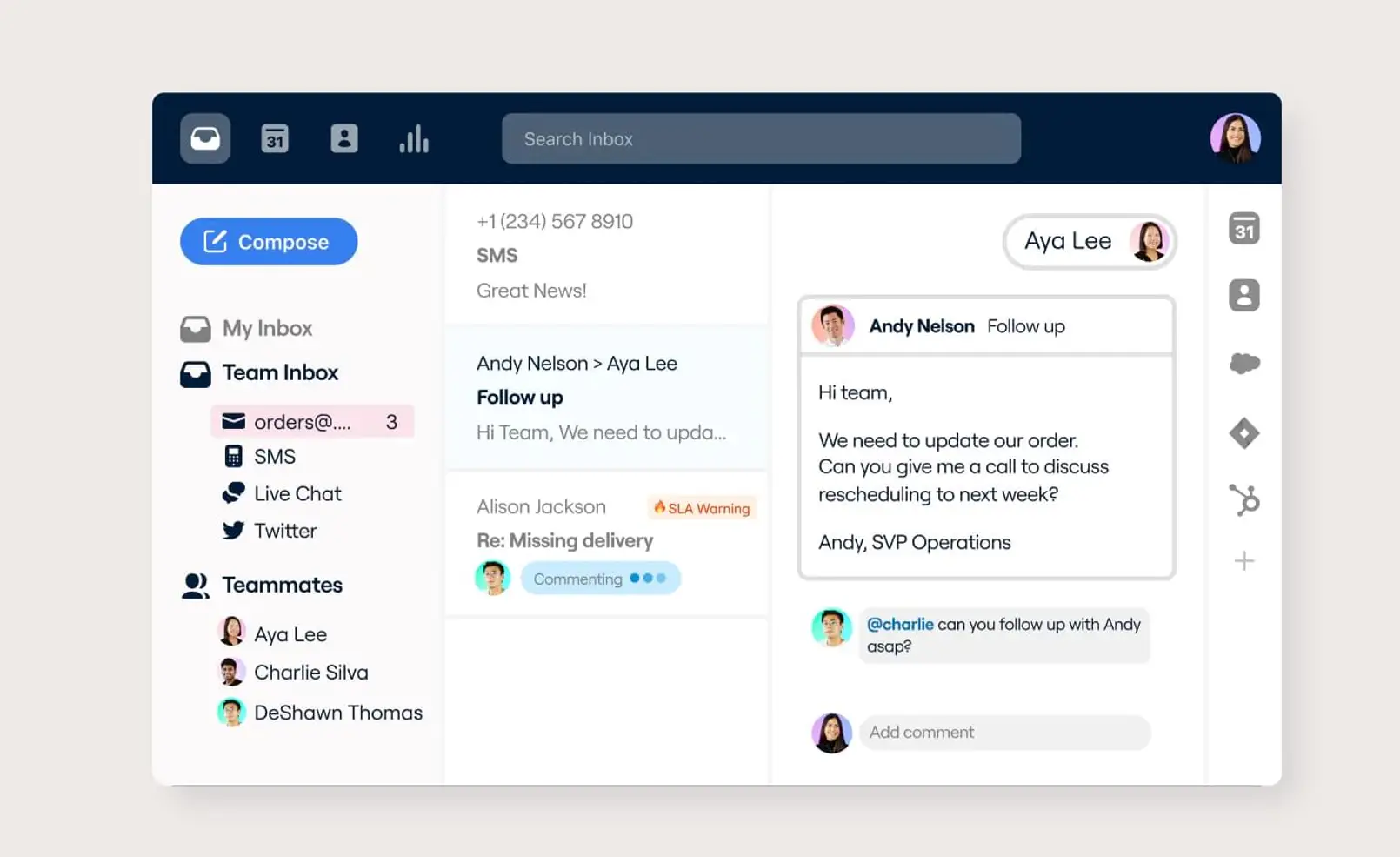
A customer service ticketing system is the command center where customer issues, requests, and questions land. Instead of messages scattered across email, social media, WhatsApp, and that random contact form no one knows how to disable, everything is neatly organized into “tickets.”
These tickets can be tracked, assigned, categorized, escalated, solved, and documented. It’s like Marie Kondo for your customer support chaos—but digital.
Why You Absolutely Need the Best Customer Service Ticketing System
A powerful ticketing system doesn’t just make work easier—it transforms how your team interacts with your customers. Here’s why it matters:
Centralized Conversations
Instead of your team hunting through emails like detectives trying to piece together clues, everything appears in one unified dashboard.
Faster Resolution Times
Automations make sure tickets land on the right desk instantly. No more “Oops, wrong team.” No more “Let me forward this.” No more chaos.
Happier Customers
People love quick replies. People love accurate solutions. And people love not being ignored. The right system ensures all that happens consistently.
A Clear View of Support Performance
Metrics like average resolution time, agent productivity, and peak ticket hours help you improve operations—without guessing.
Key Features You Should Look for in the Best Customer Service Ticketing System
Not all tools are created equal. When evaluating your options, look for these must-have features (and maybe a few bonus ones if you’re feeling fancy):
Multi-Channel Support
Your system should handle email, chat, social media, phone, and even messaging apps without melting down.
Automation & Workflows
Think of this as the “set it and relax a bit” feature: auto-assign, auto-tag, auto-prioritize, and auto-respond.
Knowledge Base Integration
A searchable help center cuts ticket volume and boosts customer independence.
SLA Tracking
Service Level Agreements help guarantee response and resolution times, keeping your team accountable.
Collaboration Tools
Internal notes, tagging teammates, and shared views make teamwork a breeze.
Reporting & Analytics
Clear dashboards help you see what’s working and what’s not.
Customization Options
Views, forms, priority rules—you should be able to set things your way.
Mobile App
Because sometimes support doesn’t wait for you to get back to your desk.
Comparison Table: Popular Features of Top Ticketing Systems
Here’s a clear table summarizing the common features found in leading platforms like Zendesk, Freshdesk, Zoho Desk, and HubSpot Service Hub (names included for comparison only).
| Feature | Automation | Multi-Channel Support | Reporting | AI Tools | Mobile App |
|---|---|---|---|---|---|
| System A | Yes | Yes | Advanced | Yes | Yes |
| System B | Limited | Yes | Standard | No | Yes |
| System C | Yes | Limited | Basic | Yes | No |
| System D | Yes | Yes | Advanced | Yes | Yes |
How to Choose the Best Customer Service Ticketing System for Your Team
Picking the right platform isn’t a guessing game—it’s more like matchmaking. You want a perfect fit, not a complicated relationship.
Step 1: Understand Your Current Support Load
Are you handling 20 tickets a week? Or drowning in 2,000? Choose based on scale.
Step 2: Consider Your Channels
If customers contact you through Instagram DMs daily, make sure your system supports it.
Step 3: Factor in Automations
If you want to save your team dozens of hours each week, automations are your best friend.
Step 4: Check for Ease of Use
No one wants a tool that requires a 300-page manual.
Step 5: Review Pricing
Pick something that’s affordable long-term—not just for the first month.
Step 6: Look for Scalability
Your system should grow with you, not hold you back.
Why the Best Customer Service Ticketing System Boosts Productivity
A great system doesn’t just organize—it empowers.
Smarter Workflows
With automated routing, agents spend less time sorting and more time solving.
Reduced Manual Work
Template replies and macros help agents respond consistently and faster.
Visibility on Urgent Issues
Priority flags and SLA alerts ensure nothing important slips away.
Better Team Collaboration
Agents can leave internal notes or tag each other, speeding up complex cases.
The Role of AI in Modern Ticketing Systems
AI is becoming a game changer in customer service—no robots taking over (yet), but definitely improving efficiency.
AI Can Categorize Tickets Automatically
It reads the message, understands the intent, and places it in the right queue.
AI Suggests Smart Responses
This saves time for agents who answer the same questions daily.
AI Measures Sentiment
Is the customer upset? Neutral? Very angry? AI tells you.
AI Helps Build Better Reports
It can highlight patterns your team may not notice.
Best Practices When Using a Customer Service Ticketing System
Even the best system can perform poorly if used incorrectly. Here are some tips:
Keep Your Knowledge Base Updated
This reduces repetitive tickets and empowers customers to self-service.
Train Support Agents Regularly
New features are released all the time—stay updated.
Use Tags and Categories Wisely
Clean classification = clean data.
Review Reports Weekly
Spot patterns before they snowball into big problems.
Don’t Ignore Customer Feedback
They’ll tell you what’s working and what’s not—sometimes loudly.
Conclusion
Choosing the best customer service ticketing system can feel overwhelming, but once you understand what features actually matter for your business, everything gets easier. With the right system, your team becomes faster, your customers become happier, and your operations become smoother than ever. Think of it as investing in long-term peace of mind—with fewer angry emails and more satisfied customers.
Now it’s your turn. Evaluate your needs, check the features that matter most, and pick a system that aligns with your goals. Whether you’re a small business or an enterprise-level brand, the right tool can take your customer service from “just okay” to “wow, this is impressive.”
FAQ
1. What is the best customer service ticketing system?
The best option depends on your business size, channels, and automation needs, but look for systems with strong multi-channel support, analytics, and workflow automation.
2. Why do businesses need a ticketing system?
It organizes customer inquiries, reduces manual work, improves response times, and centralizes conversations.
3. What features should a good ticketing system have?
Automation, reporting, multi-channel support, SLA tracking, collaboration tools, and AI-powered suggestions.
4. Can small businesses use a ticketing system?
Absolutely. Many platforms offer affordable plans designed for small teams.
5. Does a ticketing system improve customer satisfaction?
Yes—faster response times, organized workflows, and consistent communication all create a better customer experience.